U.S. Delta Force Captures Venezuelan President Maduro and His Wife
Lead
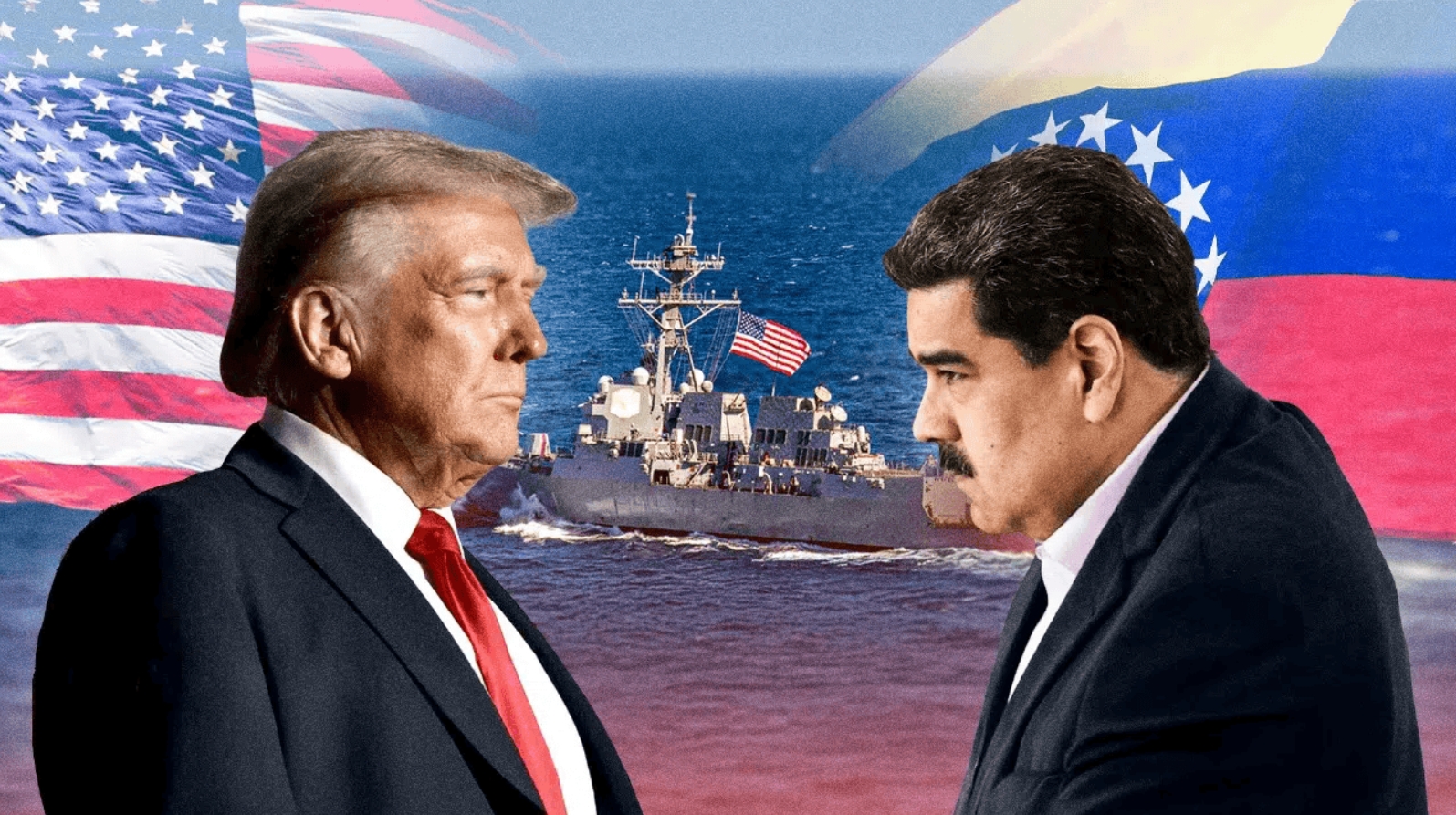
In the early hours of January 3, 2026, the silence of Caracas was broken by the roar of the U.S. military’s Delta Force. As Venezuelan President Maduro and his wife were escorted to New York, the operation—codenamed “law enforcement” but in effect a “decapitation” strike—not only altered Venezuela’s national trajectory but also landed a heavy blow on the international-law norms established after World War II.
Rule or Force?
This was a high-reward, high-risk political gamble underscored by the tangled realities of technological dominance, the global energy map, and great-power competition.
As the U.S. military’s Tier-One special operations unit, Delta Force once again demonstrated its terrifying efficiency in capturing high-value targets (HVTs) inside enemy-held territory. Supported silently by RQ-170 reconnaissance drones and fifth-generation fighters, this kind of “surgical” strike renders conventional defense systems impotent.
Consideration When a superpower can, citing “domestic criminal prosecution,” cross sovereign borders at will to seize another country’s head of state, has the traditional principle that “sovereignty is sacred and inviolable” become mere rhetoric in an era of raw power? This projection of force under the guise of law is blurring the lines between law enforcement and war, and setting a highly controversial — and dangerous — precedent.
Oil, Geopolitics and “Clearing the Field”
Beneath the judicial façade lies a clear strategic objective.
Venezuela possesses the world’s largest proven oil reserves. Immediately after the operation, U.S. authorities moved quickly to ease oil sanctions and to introduce large foreign capital—aiming to reincorporate Venezuela’s energy lifeline into a U.S. dollar-based settlement system.
By uprooting the Maduro regime, the United States intends to create a strategic deterrent against the region’s centrifugal drift, attempting to squeeze China’s, Russia’s and Iran’s influence out of what it regards as its “backyard.”
Consideration This revival of a 19th-century Monroe Doctrine-style approach may yield short-term geopolitical gains, but in the long run does it deepen a global “security deficit”? An order inclined to resolve disputes by force risks dragging every actor into a jungle of mutual distrust.
A Broken Pivot in South America
Venezuela now teeters on the edge of a power vacuum and a reordering of governance. Although a provisional government has stepped in, the societal trauma from a severe blow to sovereignty, the blood debt of dozens of casualties, and the handing over of economic lifelines to foreign capital all signal a future full of uncertainty for the country.
For China, this is not only a diplomatic challenge but a test of concrete interests:
More than US$20 billion in investments and financial claims face legal risks of repudiation or expropriation by the new regime.
Venezuela had been a pioneer in settling oil transactions in renminbi; this upheaval directly undercuts that key testing ground for renminbi internationalization in the energy sector.
Crosswinds in the Multipolar Process
Tactically, the U.S. operation is a major win; diplomatically and reputationally, it is a high-stakes gamble. It has provoked a collective awakening across the Global South — joint condemnations from Latin American powers such as Brazil and Mexico, and pushback from China and Russia at the United Nations — reflecting a deep-seated global anxiety about unilateral hegemony.